

In textile dyeing and finishing production, the pretreatment process has a decisive influence on the final dyeing effect and the quality of the finished product. Whether the pretreatment is sufficient and stable directly affects the evenness of liquid absorption of the fabric, the dyeing performance of the dyes and the reproducibility between batches.
Due to the obvious differences of chemical composition, structural characteristics and processing history among different fibers, the selection of pretreatment process and auxiliary must be targeted, so as to avoid dyeing defects and improve the overall production stability.
This article will have a comparative analysis of the key points of pretreatment process from three aspects: cotton and natural fibers, blended fabrics and synthetic fibers such as polyester. And it has combined with the selection basis of commonly used alat bantu prarawatan to provide practical references for overseas dyeing mills and textile enterprises.
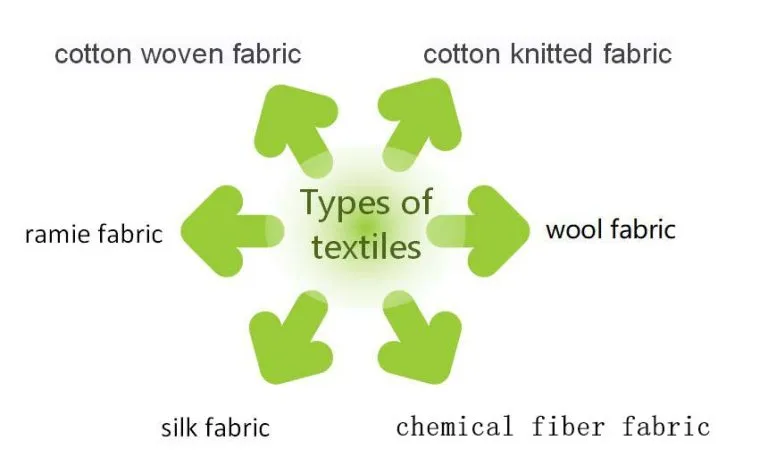
Key Points of Pretreatment for Cotton and Natural Fibers
Cotton and other natural fibers contain more natural impurities, which have the strictest requirements for pretreatment process.
Objectives and Difficulties of Process
Generally, cotton fiber contains natural wax, pectin, protein and residual oils and sizing agent in the textile processing. If these impurities are not thoroughly removed, they will seriously influence the wetting performance of fabrics and the absorption of dyes, causing dyeing defect and color difference, etc.
Common Processes
At present, the relatively mature process combination is:
enzymatic desizing or biological scouring + hydrogen peroxide bleaching.
This process can not only ensure the effect of removing impurities, but at the same time also help to reduce energy consumption, minimize fiber damage and improve handle of fabrics. That conforms to the current development trend of environmental protection and sustainable production.
Key Controlling Points
- After bleaching, there must have thorough neutralization, soaping and water washing.
- If there are residual alkali agents or bleaching chemicals, they are likely to cause color differences or abnormal reactions in subsequent dyeing of reactive dyes, as well as reduce the reproducibility of dyeing.

Pretreatment Strategy for Blended Fabrics (such as cotton/polyester)
The pretreatment for blended fabric is obviously complicated than that for single fiber fabric. The core lies in the “balance” of process.
Design Thought of Process
Blended fabrics need to take into account the chemical tolerance of different fibers simultaneously. Here takes cotton/polyester blends for example. The focus of pretreatment is usually on removing soluble impurities from cotton fibers while at the same time avoiding unnecessary alkaline erosion or performance impact on polyester.
Association with Subsequent Dyeing
The pretreatment process often serves the dyeing process. Especially in one bath with multiple dyeing or one bath dyeing process, whether the pretreated fiber state is balanced or not will directly affect the colourability and the final color consistency of different fibers.
Therefore, pretreatment of blended fabrics places more emphasis on process compatibility and overall coordination rather than the single decontamination efficiency.
Key Points of Pretreatment for Polyester and Synthetic Fibers
Different from natural fibers, the pretreatment objective of polyester and other synthetic fibers does not lie in the traditional high-alkali scouring.
Main Pretreatment Objective
- Removes spinning oil, weaving sizing agents and surface contaminants formed during storage and transportation.
- Improves wetting performance and surface cleanliness of fabrics so as to create conditions for the diffusion and leveling of disperse dyes.
Special Remarks
- Polyester dyeing is relatively sensitive to water quality. Metal ions in water (such as iron ions, calcium and magnesium ions) may affect the stability and color performance of disperse dyes.
- In pretreatment process, using sequestering agent reasonably will help to reduce the potential risks in dyeing process.

Analysis of Common Pretreatment Auxiliaries and Their Functions
In pretreatment process, the reasonable combination of auxiliaries is a key factor in achieving stable production.
Main Auxiliaries and Their Functions
- Penetrating agent / Wetting agent: Promotes treatment liquid penetrate into fibers rapidly and evenly. Improves the processing efficiency.
- Degreasing agent / Emulsifying agent: Removes grease and residual processing auxiliaries. Prevents the re-deposition of greasy dirt.
- Enzyme: Used for desizing and biological scouring. Has the advantages of low energy consumption and little damage to fibers.
- Sequestering agent: Complexes metal ions in water to prevent them from interfering with bleaching and dyeing reactions.
- Hydrogen peroxide stabilizer: Controls the rate of bleaching action to improve the evenness of whiteness and protect the fiber structure.
- Low-foaming soaping agent: Suitable for the washing process after bleaching. Both has effect of removing stains and adaptability to equipment.
- pH buffering agent and neutralizing agent: Ensures the process system running within the ideal pH range. Creates stable conditions for subsequent dyeing.

The Core Principles for Selecting Pretreatment Auxiliaries
In actual production, the selection of pretreatment auxiliaries should take into account the following factors:
- Matching the type of fiber to avoid ineffective or excessive processing.
- Not influencing the subsequent dyeing and finishing process to ensure the stability of dyeing performance.
- Adapting to equipment and local water quality, especially in hard water areas.
- Consisting with environmental protection and regulatory requirement for low residue and biodegradability are increasingly important.
- Having good process stability and operational friendliness which are beneficial for continuous production.
Typical Pretreatment Process Parameters for Reference
The following parameters are common reference ranges in the industry. The specific values need to be adjusted according to the fabric type, equipment conditions and actual production requirements.
- Enzyme desizing: 50~60℃, pH 6~8, 30~60 minutes
- Scouring for cotton fabric: 95~100℃, the concentration of NaOH is controlled according to the condition of fabric
- Hydrogen peroxide bleaching: 80~95℃, pH 9~10, the dosage of hydrogen peroxide is determined according to the target whiteness
- Sabun: 60~80℃, ensures thorough cleaning
- Neutralizing: Adjusts pH to 6~7
Mengenai BLUELAKECHEM
Based on continuous research on textile mewarna dan penamat process and rich application experience, BLUELAKECHEM has provided bahan bantu tekstil solutions covering the entire process from prarawatan, dyeing to finishing to overseas dyeing mills, textile enterprises and textile chemical distributors. Through stable product performance, excellent process compatibility and continuous technical support, BLUELAKECHEM is committed to helping customers to improve production stability, optimize process control and establish long-term and sustainable cooperative relationships.