

Em têxteis tingimento e acabamento produção, muitos problemas que parecem ocorrer no processo de tingimento, mas que, na verdade, a causa principal geralmente está na pré-tratamento processo.
Como o processo mais fundamental, mas facilmente subestimado, no processo de tingimento e acabamento, a estabilidade do processo de pré-tratamento afeta diretamente a uniformidade do tingimento do tecido, a reprodutibilidade da cor e a consistência da qualidade do produto acabado.
Para fábricas de tingimento, fabricantes de tecidos e distribuidores de produtos químicos têxteis no exterior, compreender sistematicamente as causas dos problemas comuns no processo de pré-tratamento e ter controle antecipado por meio da seleção razoável de auxiliares e da otimização do processo é uma maneira importante de reduzir as taxas de retrabalho, diminuir o tempo de entrega e aumentar a satisfação do cliente.
Problemas comuns e abordagens de solução de problemas no processo de pré-tratamento
1. Tingimento irregular, defeito de tingimento e estrias de tingimento
Fenômeno comum
Após o tingimento, o tecido apresenta diferenças parciais de cor que são irregulares, listradas ou semelhantes a nuvens, especialmente mais óbvias em produtos de cor clara ou média-clara.
Análise de possíveis causas
- Em pré-tratamento o umedecimento e a penetração são insuficientes, e o tecido absorve o líquido de forma desigual.
- Há óleo residual, agente de colagem e cera na superfície do tecido, o que impede que os corantes entrem em contato com as fibras.
- A dessecação é incompleta, levando a um tingimento parcial.
- As diferenças na dureza da água ou a distribuição desigual de íons metálicos causam uma reação anormal parcial.
Sugestões de otimização e aprimoramento
- Verifique o tipo e o efeito real do agente penetrante e agente umectante, e não apenas a dosagem.
- Fortaleça adequadamente os processos de dessecação e ensaboamento para garantir que as impurezas sejam completamente removidas.
- Teste a água usada na fábrica e, se necessário, faça um tratamento de sequestro ou um pré-tratamento de água mole para reduzir o impacto da qualidade da água na estabilidade do processo.
2. Amarelamento ou danos às fibras após o branqueamento
Fenômeno comum
A brancura não é estável após o branqueamento. O amarelamento ocorre durante o armazenamento ou em processos subsequentes, até mesmo acompanhado de uma diminuição na resistência do tecido.
Análise de possíveis causas
- A taxa de decomposição do peróxido de hidrogênio está fora de controle, e o branqueamento reage de forma muito violenta.
- A temperatura do branqueamento é muito alta ou o branqueamento é mantido em alta temperatura por muito tempo.
- Após o branqueamento, a neutralização do ácido ou a lavagem com água é insuficiente, e o resíduo alcalino continua a agir sobre as fibras.
Sugestões de otimização e aprimoramento
- Escolha um estabilizador de peróxido de hidrogênio que corresponda às condições do processo, de modo a controlar a taxa de reação.
- Defina a temperatura de pico para o branqueamento de forma razoável para evitar o “branqueamento excessivo”.
- Faça rigorosamente a neutralização e a lavagem com água em vários estágios para evitar problemas subsequentes causados por resíduos químicos.
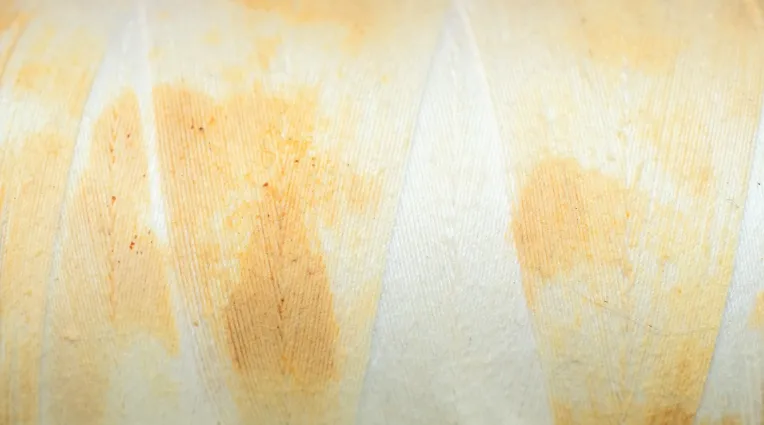
3. Ainda há manchas ou um odor pungente após a lavagem com sabão
Fenômeno comum
A superfície do tecido é pegajosa e tem cheiro desagradável. Ou aparece um fenômeno de instabilidade no acabamento subsequente.
Análise de possíveis causas
- A sujeira gordurosa não é emulsionada o suficiente. O sistema de desengorduramento não tem estabilidade.
- O agente desengordurante ou emulsificante não corresponde ao tipo real de sujeira gordurosa.
- A força de lavagem é insuficiente, e os auxiliares e a sujeira não são completamente removidos.
Sugestões de otimização e aprimoramento
- Ajuste o agente desengordurante e agente emulsificante de acordo com a origem da sujeira gordurosa, mas não simplesmente aumentar a dosagem.
- Estenda adequadamente o tempo de ensaboamento ou aumente o número de lavagens.
- Sob a premissa de garantir a adaptabilidade do equipamento, melhore a eficiência geral do enxágue.
4. A formação severa de espuma afeta o funcionamento do equipamento
Fenômeno comum
No processo de pré-tratamento, a formação excessiva de espuma afetará o controle do nível do líquido, o sistema de transporte ou o funcionamento estável da bomba de circulação, especialmente em equipamentos contínuos.
Análise de possíveis causas
- O controle de formação de espuma no sistema auxiliar é insuficiente.
- A fórmula não é adequada para sistemas de alto cisalhamento ou de circulação.
Sugestões de otimização e aprimoramento
- Preferencialmente, escolha um produto com baixo teor de espuma ou com controle de espuma auxiliares de pré-tratamento.
- Se for usado um agente antiespumante, o impacto potencial no processo subsequente de tingimento e acabamento deve ser avaliado para evitar novos fatores de instabilidade.
Sugestões práticas para conservação de energia e proteção ambiental no processo de pré-tratamento
Com as normas de proteção ambiental cada vez mais rígidas e o aumento contínuo dos custos de energia, o processo de pré-tratamento também se tornou um avanço importante para a obtenção de uma produção sustentável.
- Usar produtos biológicos enzima processo de limpeza
Não só atende aos requisitos de remoção de sujeira, mas também diminui o consumo de álcalis e de energia, além de reduzir os danos às fibras.
- Otimizar o sistema de enxágue e reutilização de água
Por meio do enxágue por zonas, da reciclagem de água e do monitoramento on-line da qualidade da água, melhore a eficiência do uso da água e reduza o consumo geral de água.
- Uso auxiliares têxteis com baixa DQO/DBO
Reduzir efetivamente o ônus do tratamento de águas residuais. Reduzir os riscos de conformidade ambiental.
- Reduzir os resíduos químicos por meio da otimização do processo
Sob a premissa de garantir a qualidade, reduza a quantidade total de produtos químicos usados para alcançar um equilíbrio entre o controle de custos e a responsabilidade ambiental.
Pré-tratamento: Uma “chave invisível” para determinar a estabilidade do tingimento e do acabamento
Pré-tratamento O controle de qualidade do tingimento de tecidos muitas vezes não se reflete diretamente na aparência do produto acabado, mas afeta profundamente a uniformidade e a reprodutibilidade do tingimento, bem como o efeito do acabamento. Do umedecimento, desengorduramento ao branqueamento, o controle estável de cada elo é a base para reduzir a taxa de retrabalho, garantir o tempo de entrega e melhorar a satisfação dos clientes finais.
Para as fábricas de tingimento e os fabricantes de tecidos estrangeiros que se concentram principalmente no mercado de exportação, buscam um alto rendimento inicial e uma cooperação estável de longo prazo, estabelecer um sistema auxiliar de pré-tratamento científico e replicável é uma estratégia de longo prazo para melhorar a competitividade geral.
Sobre a BLUELAKECHEM
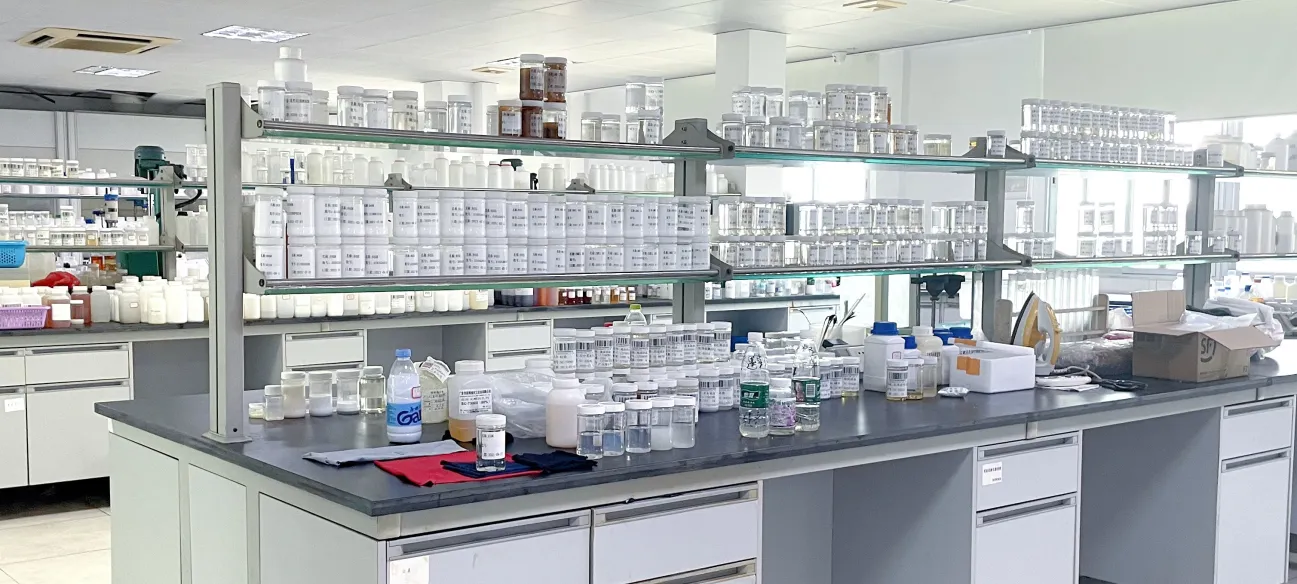
BLUELAKECHEM tem se concentrado na pesquisa, desenvolvimento e produção de auxiliares têxteis. Atendemos a fábricas de tingimento, tecelagens e distribuidores de produtos químicos têxteis no exterior. Nossa empresa oferece um sistema de produtos que abrange todo o processo de pré-tratamento de têxteisincluindo agente umectante, enzima de dessecação, agente desengordurante, agente emulsificante, agente sequestrante,estabilizador de peróxido de hidrogênio e agente de sabão com baixa formação de espuma, etc.
Além de fornecer produtos, a BLUELAKECHEM também oferece aos clientes suporte técnico, desde testes de amostras de laboratório até a otimização da fórmula do processo no local, ajudando as fábricas a aumentar a estabilidade do pré-tratamento, reduzindo o consumo de energia e o risco de descarga de águas residuais. Ao mesmo tempo, a linha de produtos da nossa empresa também abrange auxiliares de tingimento, funcional agentes de acabamento, óleo de silicone e amaciante de silicone. Podemos oferecer aos clientes uma solução integrada de auxiliares têxteis, desde o pré-tratamento, o tingimento até o acabamento.
Se você precisar obter dados tecnológicos mais detalhados, suporte a amostras ou sugestões de processos, a BLUELAKECHEM pode fornecer soluções direcionadas e suporte técnico contínuo de acordo com os tipos de tecido, condições do equipamento e metas de produção.