

Blog & Berita
Tetap terinformasi dengan artikel ahli, tren, dan berita tentang bahan kimia tekstil, perawatan kain, dan inovasi industri.
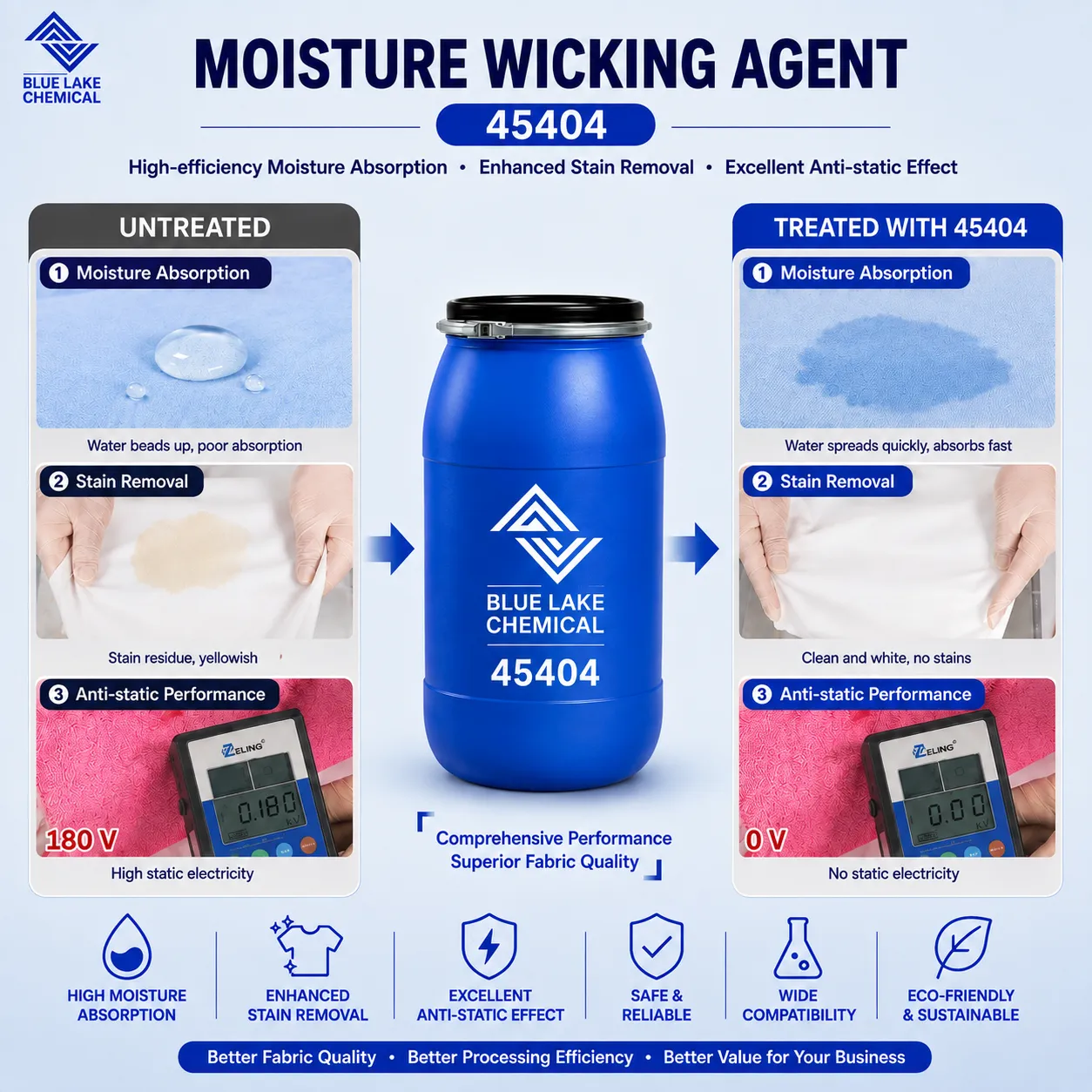
Bagaimana Bahan Penyerap Kelembapan Meningkatkan Kenyamanan Kain Serat Kimia? Solusi Penyempurnaan Mulai dari Penyerapan Kelembapan, Pembersihan, hingga Kemudahan Pencucian
With the continuous growth of the markets for outdoor sports, functional clothing and comfortable textiles, consumers' demands for chemical fiber fabrics have gradually expanded from traditional appearance, handle and durability to comprehensive performance such as moisture wicking, easy cleaning, anti-static and long-term durability. Chemical fiber fabrics, as polyester, polyester blends, nylon and acetate fibers have good…
Baca Lebih Lanjut →
Bagaimana Agen Finishing Cold Sense Meningkatkan Sensasi Dingin pada Kain? Solusi Finishing dari Qmax Performance untuk Produksi Massal
With consumers' constantly increasing demands for the comfort of summer clothes, the functionality of textiles has gradually extended from the traditional moisture absorption and breathability to a more intuitive wearing experience. Among them, "cold sense" is becoming an important selling point for summer clothes, sportswear fabrics, knitted products and functional textiles. For dyeing mills, textile mills and textile chemical purchasing…
Baca Lebih Lanjut →
Enzim Selulase: Teknologi Bio-polishing Ramah Lingkungan Membantu Meningkatkan Ketahanan Terhadap Pembentukan Bola-bola Kain dan Mewujudkan Produksi yang Berkelanjutan
Why Are More and More Brands Paying Attention to Anti-pilling Performance and Sustainable Production of Fabrics? With consumers' constantly increasing demand for clothing quality, the appearance effect and wearing experience of fabrics have become important factors determining the value of products. For cotton fabrics, knitted fabrics and various kinds of cellulose fiber products, the fine fuzz…
Baca Lebih Lanjut →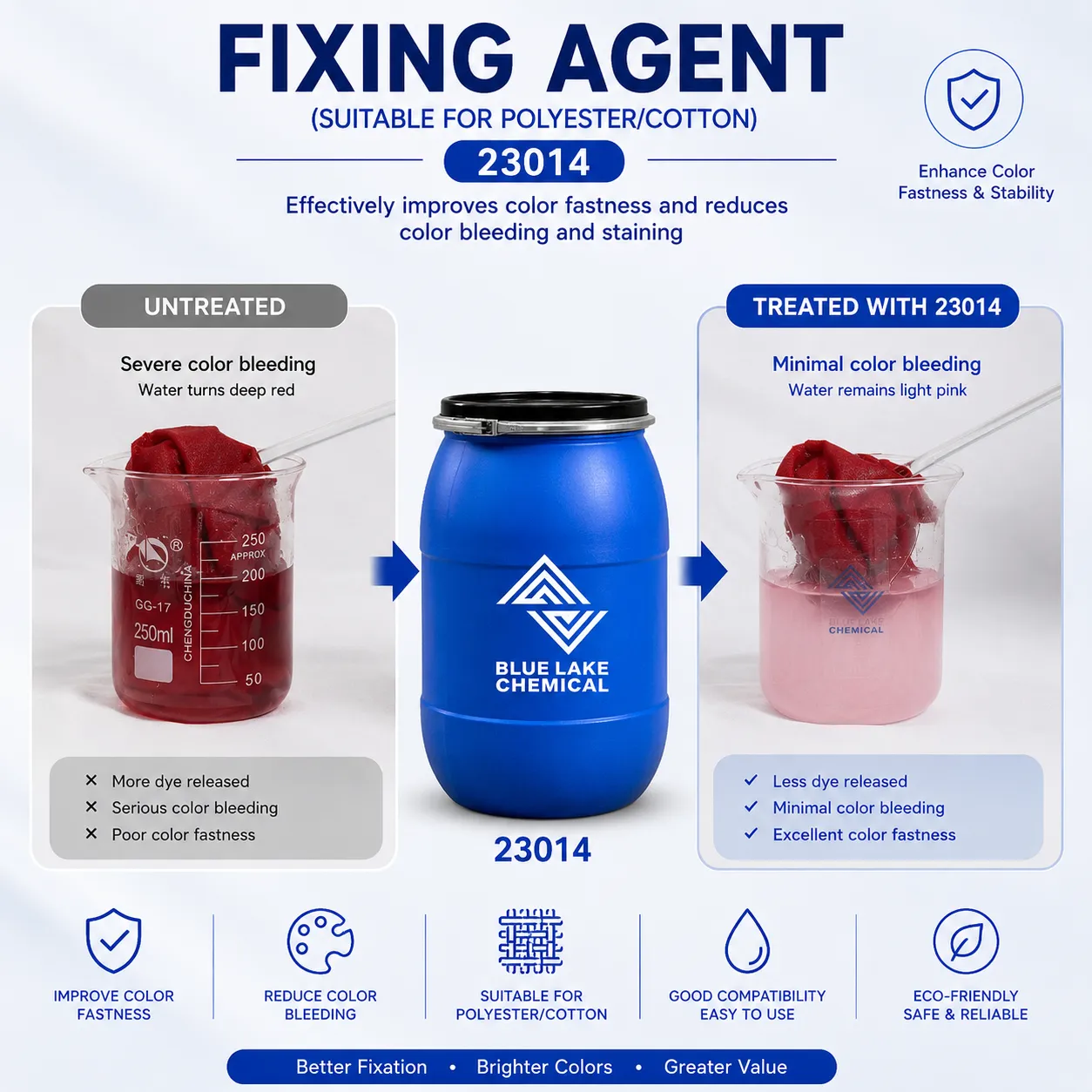
Bagaimana Cara Meningkatkan Ketahanan Warna pada Kain Poliester/Katun? Solusi untuk Mengurangi Sublimasi Pewarna Dispers dengan Menggunakan Agen Pengikat
For dyeing mills that produce polyester/cotton blended fabrics, the completion of dyeing does not mean that the color quality is completely stable. Especially in subsequent stentering, heat treatment and finished product processing, disperse dyes may sublimate, thereby affecting the color fastness of fabrics. This problem is particularly worthy of attention for sensitive colors, such as bright red, black and…
Baca Lebih Lanjut →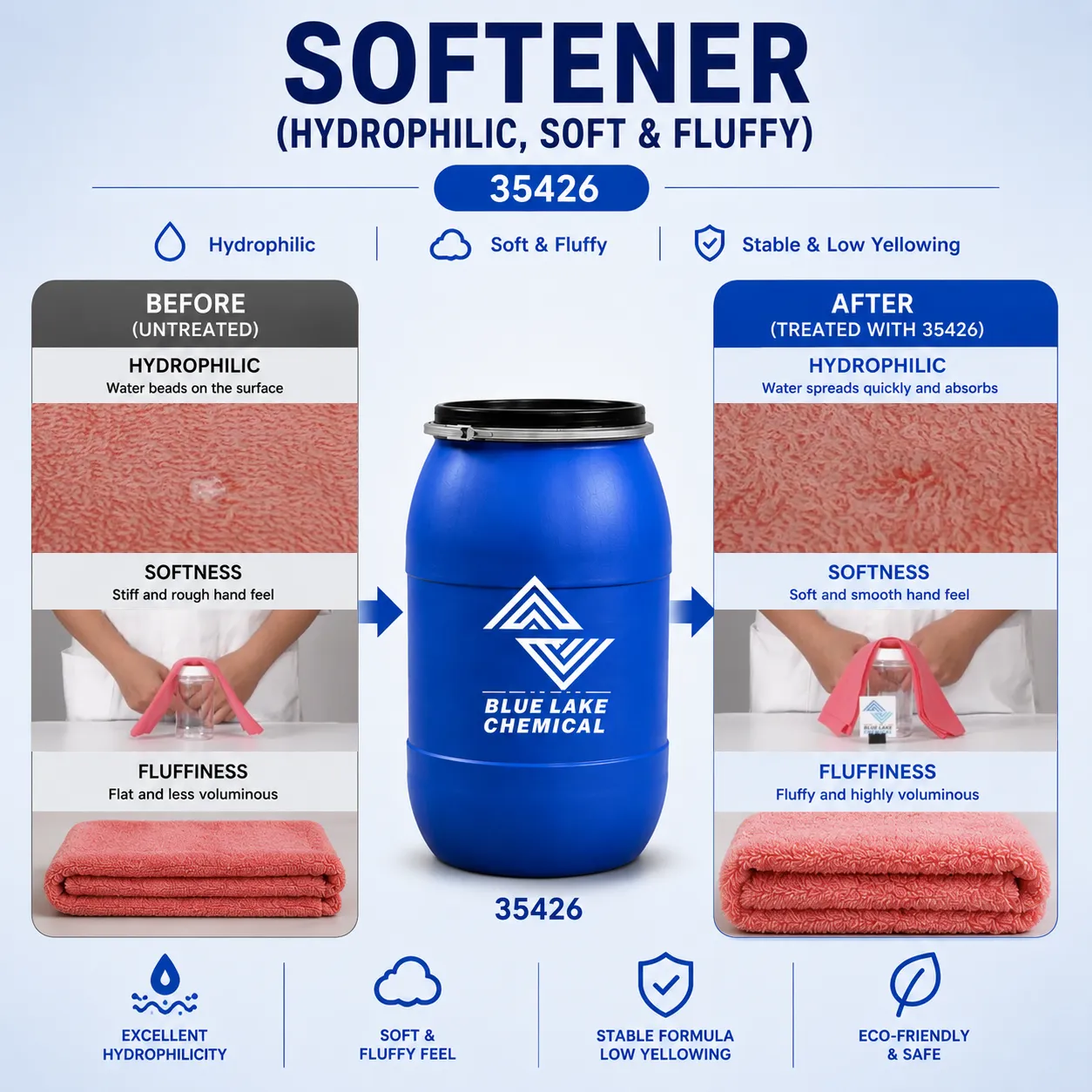
Pelembut Hidrofilik: Solusi Finishing Tekstil untuk Mengatasi Masalah “Lembut, tetapi Tidak Hidrofilik”
In textile finishing process, soft handle and hydrophilicity are always two key indicators that engineers in dyeing mills need to balance. For cotton, wool and various blended fabrics, customers not only hope that the fabric feels soft, fluffy and comfortable, but also pay more and more attention to the water absorption speed, wearing experience and subsequent using performance of…
Baca Lebih Lanjut →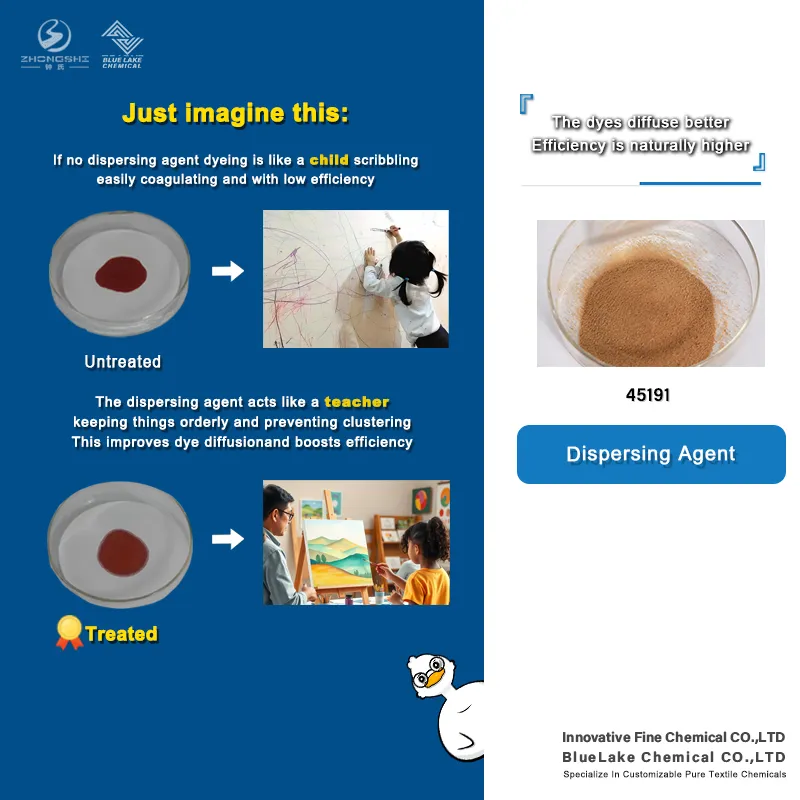
Kualitas pewarnaan tidak hanya dipengaruhi oleh zat warna, tetapi juga oleh stabilitas dispersi larutan pewarna
In modern textile printing and dyeing industry, the competition in product quality is no longer confined to the dyes themselves. As the fabric types constantly enrich, dyeing process becomes increasingly complicated, and international brands constantly raise their requirements for color consistency and quality stability, how to maintain the stability of dyeing bath, reduce color spots and color stains,…
Baca Lebih Lanjut →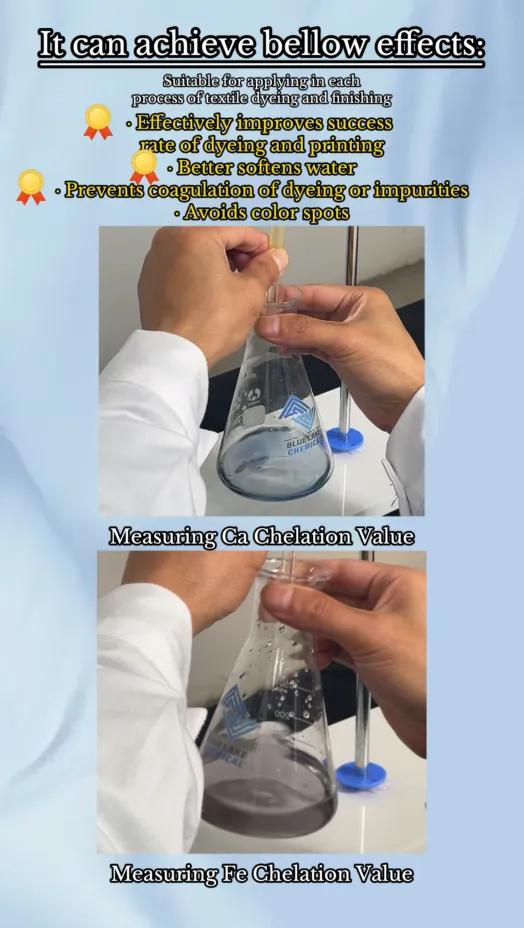
Why Does the Same Dye Formula Always Achieve Unstable Dyeing Effect?
Why Do More and More Dyeing Mills Choose Sequestering and Dispersing Powder? The Key Auxiliary to Improve Dyeing Stability and Production Efficiency With the continuous improvement of textile industry's requirements for product quality, production efficiency and environmental protection, dyeing and finishing enterprises not only have to deal with increasingly complex fabric varieties, but also have…
Baca Lebih Lanjut →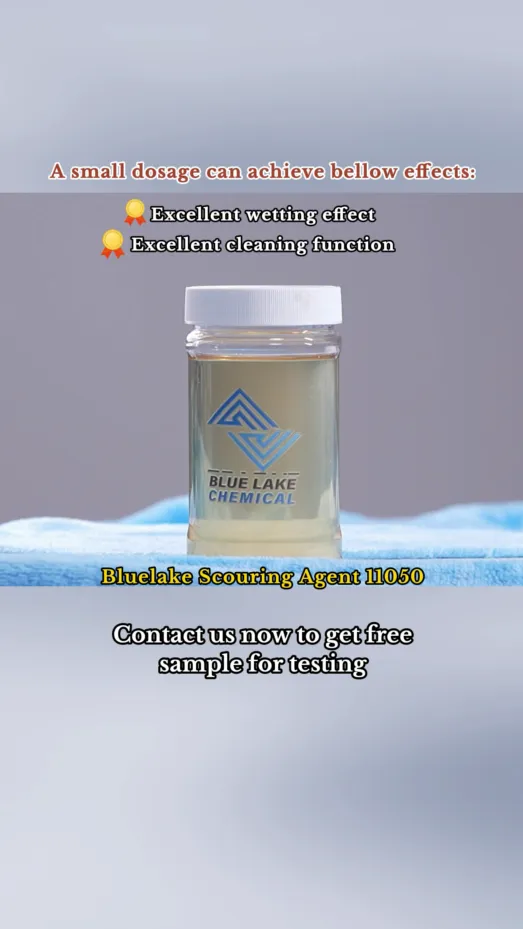
Don’t Let the Pretreatment Delay Delivery Time! If Dyeing Mill Wants to Improve Efficiency, the Scouring Must Be Modified in This Way
In textile printing and dyeing process, the quality of pretreatment directly determines the subsequent dyeing and finishing effects. No matter for cotton, rayon, modal, Tencel or blended fabric, only the natural wax, pectin, greasy dirt and other impurities on fiber surface are thoroughly removed, can it be ensured that the fabric has good moisture absorption…
Baca Lebih Lanjut →
Why Are All Peers Changing? How Does “Nonionic Wetting Agent” Help Your Dyeing Mill to Break through Capacity and Quality Bottlenecks?
With the continuous intensification of competition in the global textile industry, dyeing and textile mills not only need to ensure the stability of product quality, but also constantly reduce the overall production cost, and at the same time meet the international brands' requirements for environmental protection, energy conservation and sustainable production. For enterprises processing cotton,…
Baca Lebih Lanjut →
How to Improve the Efficiency of Pretreatment and Decrease Comprehensive Cost? High-concentration & Low-foaming Scouring Agent Is Becoming a New Choice for Modern Dyeing Mills
In textile dyeing and finishing processing, pretreatment is an important foundation for determining the quality of subsequent bleaching, dyeing and finishing. If the cotton wax, pectin, oil stains and other natural impurities on the fabric surface are not thoroughly removed, even with high-quality dyes and advanced equipment, problems such as uneven dyeing, dyeing defect, insufficient whiteness…
Baca Lebih Lanjut →-
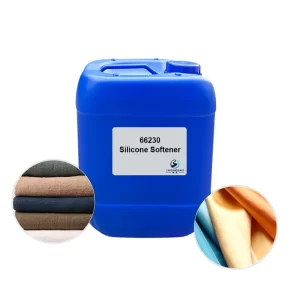
 Pelembut Silikon yang Menyerap Kelembapan Membantu kain menyerap kelembapan dengan cepat sehingga kain tetap kering dan bernapas
-
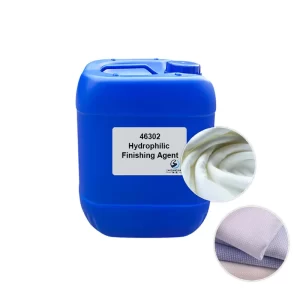
Bahan Penyelesaian Hidrofilik yang dapat memberikan kinerja hidrofilik yang tahan lama dan awet pada kain
-
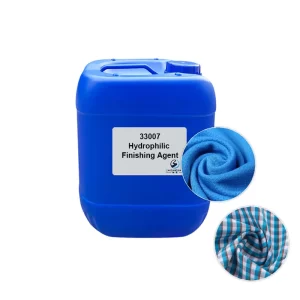
Bahan penyempurna hidrofilik untuk serat sintetis dan kain campurannya
-
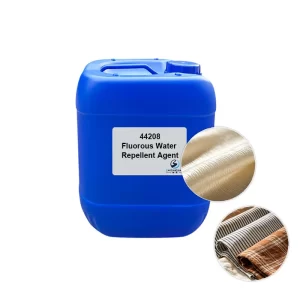
Bahan anti air berbasis fluor yang memberikan efek kedap air dan tahan minyak pada kain
-
Bahan Anti-Air Berbahan Dasar Fluor Memberikan daya tolak air dan minyak yang sangat baik pada kain
-