

В текстиле крашение и отделка производство, многие проблемы, которые кажутся возникающими в процессе крашения, но на самом деле первопричина часто находится в предварительная обработка процесс.
Как самый фундаментальный, но легко недооцениваемый процесс в процессе крашения и отделки, стабильность процесса предварительной обработки напрямую влияет на равномерность окраски ткани, воспроизводимость цвета и постоянство качества готовой продукции.
Для зарубежных красильных фабрик, производителей тканей и дистрибьюторов текстильной химии систематическое понимание причин распространенных проблем в процессе предварительной обработки и их своевременный контроль с помощью разумного выбора вспомогательных средств и оптимизации процесса - это важный способ снизить количество переделок, сократить сроки поставки и повысить удовлетворенность клиентов.
Общие проблемы и подходы к устранению неисправностей в процессе предварительной обработки
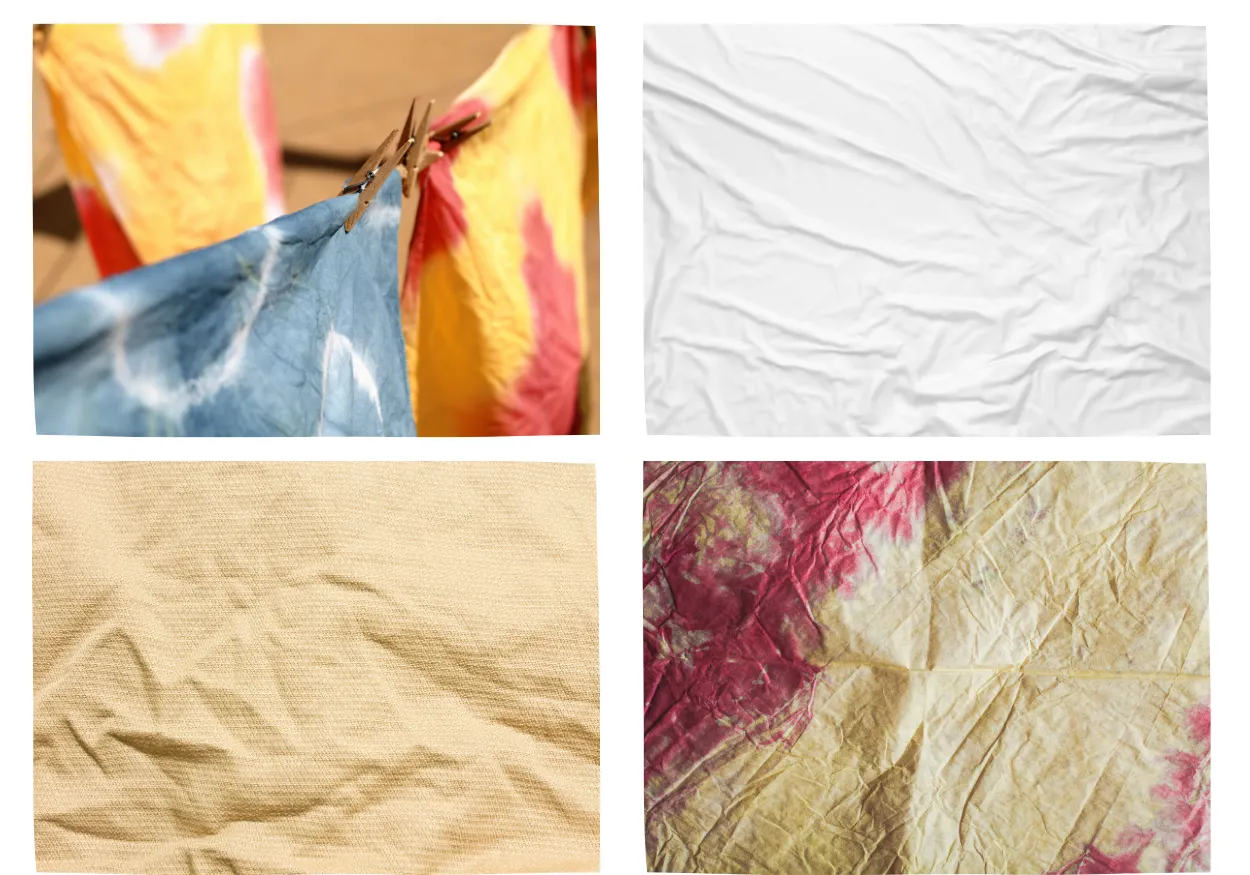
1. Неравномерное окрашивание, дефекты окрашивания и полосы окрашивания
Распространенное явление
После окрашивания на ткани появляются частичные цветовые различия, неравномерные, полосатые или похожие на облака, особенно заметные на изделиях светлых или средне-светлых оттенков.
Анализ возможных причин
- На сайте предварительная обработка Процесс смачивания и проникновения недостаточен, и ткань впитывает жидкость неравномерно.
- На поверхности ткани присутствуют остатки масла, пропитки и воска, которые препятствуют контакту красителей с волокнами.
- Неполное обесцвечивание приводит к частичному обесцвечиванию.
- Разница в жесткости воды или неравномерное распределение ионов металлов вызывают частичную аномальную реакцию.
Предложения по оптимизации и улучшению
- Проверьте тип и фактическое действие проникающего вещества и смачивающий агент, не только дозировку.
- Усильте процессы обессмоливания и мыловарения, чтобы обеспечить тщательное удаление загрязнений.
- Проверьте воду, используемую на заводе, и, если необходимо, проведите секвестрацию или предварительную обработку мягкой воды, чтобы снизить влияние качества воды на стабильность процесса.
2. Пожелтение или повреждение волокон после отбеливания
Распространенное явление
Белизна после отбеливания не стабильна. Пожелтение происходит во время хранения или в последующих процессах, даже сопровождается снижением прочности ткани.
Анализ возможных причин
- Скорость разложения перекиси водорода выходит из-под контроля, и отбеливание происходит слишком бурно.
- Температура отбеливания слишком высока, или отбеливание проводится при высокой температуре в течение слишком долгого времени.
- После отбеливания нейтрализация кислотой или промывка водой недостаточны, остатки щелочи продолжают действовать на волокна.
Предложения по оптимизации и улучшению
- Выберите стабилизатор пероксида водорода, соответствующий условиям процесса, чтобы контролировать скорость реакции.
- Установите пиковую температуру для отбеливания в разумных пределах, чтобы избежать “чрезмерного отбеливания”.
- Строго соблюдайте правила нейтрализации и многоступенчатой промывки водой, чтобы предотвратить последующие проблемы, вызванные остатками химикатов.

3. После стирки мылом остаются пятна или резкий запах
Распространенное явление
Поверхность ткани липкая и имеет неприятный запах. Или появляются нестабильные явления при последующей отделке.
Анализ возможных причин
- Жирные загрязнения недостаточно эмульгируются. Система обезжиривания недостаточно стабильна.
- Обезжиривающее или эмульгирующее вещество не соответствует реальному типу жирной грязи.
- Сила моющего средства недостаточна, вспомогательные вещества и грязь удаляются не полностью.
Предложения по оптимизации и улучшению
- Отрегулируйте обезжиривающее средство и эмульгатора в зависимости от источника жирных загрязнений, но не просто увеличить дозировку.
- Соответствующим образом увеличьте время намыливания или увеличьте количество стирок.
- При условии обеспечения адаптивности оборудования, повышается общая эффективность ополаскивания.
4. Сильное пенообразование влияет на работу оборудования
Распространенное явление
В процессе предварительной обработки чрезмерное пенообразование влияет на контроль уровня жидкости, систему транспортировки или стабильную работу циркуляционного насоса, особенно в оборудовании непрерывного действия.
Анализ возможных причин
- Контроль пенообразования во вспомогательной системе недостаточен.
- Формула не подходит для систем с высокой скоростью сдвига или циркуляционных систем.
Предложения по оптимизации и улучшению
- Предпочтительно выбирать низкопенящиеся или контролируемые по пенообразованию вспомогательные средства для предварительной обработки.
- При использовании пеногасителя необходимо оценить потенциальное влияние на последующий процесс крашения и отделки, чтобы избежать появления новых нестабильных факторов.
Практические предложения по энергосбережению и охране окружающей среды в процессе предварительной очистки
В условиях все более строгих норм по защите окружающей среды и постоянного роста стоимости энергии процесс предварительной обработки также стал важным прорывом в обеспечении устойчивого производства.
- Используйте биологические фермент процесс очистки
Они не только отвечают требованиям по удалению грязи, но и заметно снижают расход щелочи и потребление энергии, а также уменьшают повреждение волокон.
- Оптимизация системы ополаскивания и повторного использования воды
Зональное ополаскивание, повторное использование воды и контроль качества воды в режиме онлайн позволяют повысить эффективность водопользования и снизить общее потребление воды.
- Используйте текстильные вспомогательные материалы с низким уровнем ХПК/БПК
Эффективное снижение нагрузки на очистку сточных вод. Снижение рисков, связанных с соблюдением экологических норм.
- Сокращение остатков химикатов за счет оптимизации процесса
В соответствии с принципом обеспечения качества, сократите общее количество используемых химикатов, чтобы достичь баланса между контролем затрат и экологической ответственностью.
Предварительная обработка: “Невидимый ключ” к определению устойчивости красителей и финишных покрытий
Предварительная обработка часто не отражается непосредственно на внешнем виде готового продукта, но он оказывает глубокое влияние на равномерность и воспроизводимость крашения, а также на эффект отделки. Стабильный контроль каждого звена - от смачивания, обезжиривания до отбеливания - является основой для снижения количества переделок, обеспечения сроков поставки и повышения удовлетворенности конечных потребителей.
Для зарубежных красильных фабрик и производителей тканей, которые в основном ориентируются на экспортный рынок, стремятся к высокому первому пассиву и долгосрочному стабильному сотрудничеству, создание научной и тиражируемой вспомогательной системы предварительной обработки является долгосрочной стратегией повышения общей конкурентоспособности.
О БЛУЭЛАКЕХЕМ
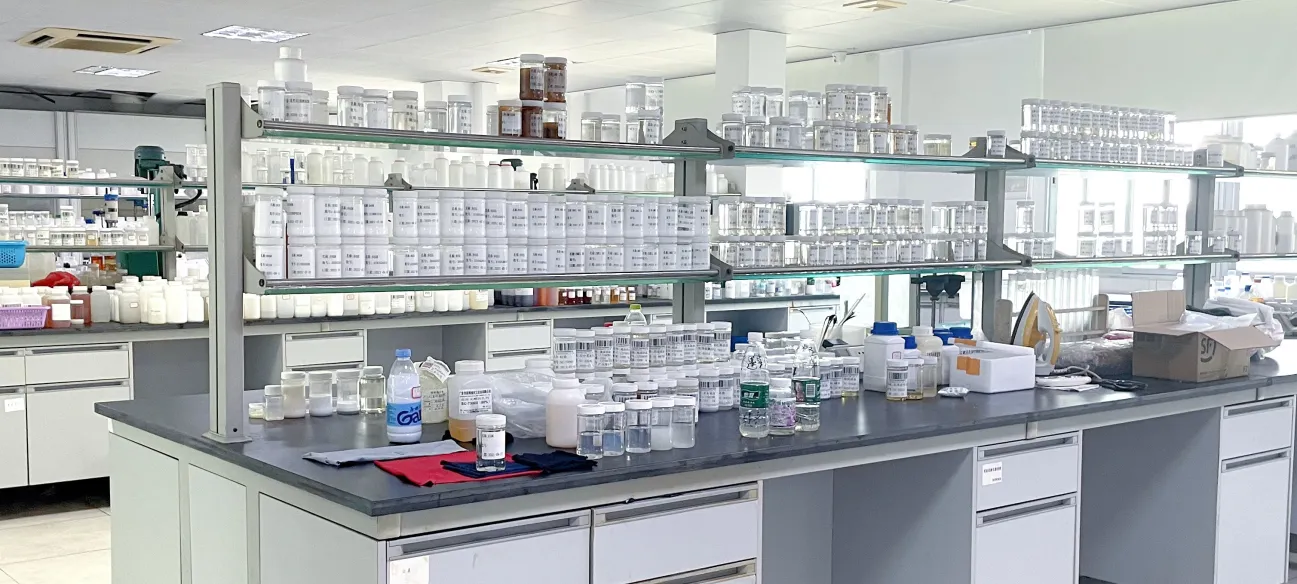
BLUELAKECHEM занимается исследованиями, разработкой и производством текстильные вспомогательные материалы. Мы обслуживаем зарубежные красильные фабрики, ткацкие фабрики и дистрибьюторов текстильной химии. Наша компания предлагает систему продуктов, охватывающую весь процесс предварительная обработка текстиля, в том числе смачивающий агент, обеспыливающий фермент, обезжиривающее средство, эмульгатор, секвестрирующий агент, стабилизатор перекиси водорода и низкопенный мыльный агент и т.д.
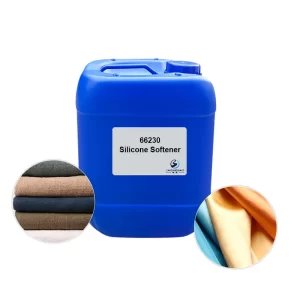
Помимо поставки продукции, BLUELAKECHEM также предоставляет клиентам техническую поддержку - от лабораторных испытаний образцов до оптимизации технологической формулы на месте, помогая заводам повысить стабильность предварительной обработки, снизить энергопотребление и риск сброса сточных вод. В то же время, линейка продукции нашей компании также охватывает вспомогательные материалы для крашения, функциональный отделочные материалы, силиконовое масло и силиконовый смягчитель. Мы можем предоставить клиентам комплексное решение по текстильным вспомогательным материалам от предварительной обработки, крашения до отделки.
Если вам нужны более подробные технологические данные, поддержка образцов или предложения по технологическому процессу, BLUELAKECHEM может предложить целевые решения и постоянную техническую поддержку в зависимости от типа ткани, состояния оборудования и целей производства.